
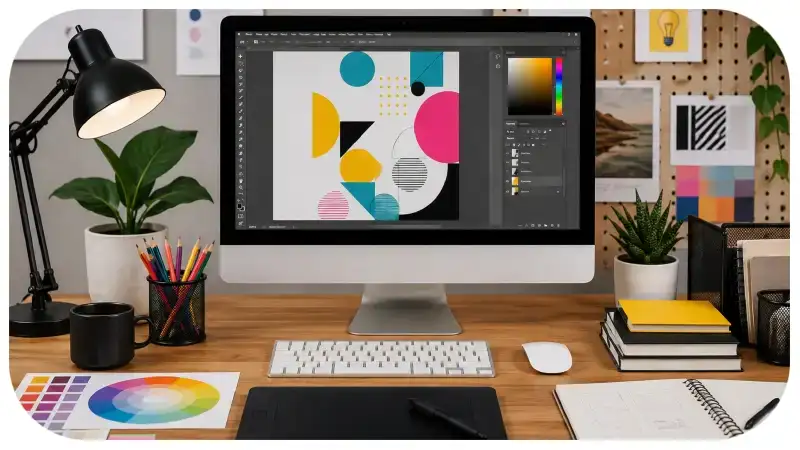
Great design can change how people see an idea. It can make a website easier to use, a brand easier to remember, and a social media post more engaging. PushYourDesign.com helps creative people find fresh design ideas, useful tips, and practical inspiration for their projects.
The goal of PushYourDesign.com is simple. It brings creative ideas together in a clear and easy-to-understand way. You do not need to be a professional designer to create attractive work. With good ideas, basic design skills, and regular practice, anyone can become more confident.
Why Creative Design Matters
Design is not only about making things look good. It also helps people understand information. In addition, good design creates a strong first impression.
For example, a clean website can help visitors find information faster. A well-designed logo can help people remember a business. Similarly, a clear social media graphic can make an important message easier to notice.
Good design can help you:
- Make information easier to understand
- Create a strong visual identity
- Improve your website appearance
- Build trust with visitors
- Make social media content more attractive
- Present ideas in a clear way
Therefore, even small design changes can improve the overall user experience.
PushYourDesign.com for Creative Inspiration
Finding the right inspiration can make the design process easier. Before starting a project, many designers explore different layouts, colors, fonts, and visual styles.
PushYourDesign.com gives design enthusiasts a place to explore creative ideas and discover new ways to approach their projects.
However, inspiration does not mean copying another person’s work. Instead, it means learning from different ideas. You can study a design, understand why it works, and then create something original.
For instance, you may find a website with a simple layout. You can look at its spacing, typography, and navigation. Then, you can use similar design principles in your own project while developing a unique style.
Simple Design Principles for Better Results
You do not need advanced design skills to create better visuals. In fact, a few basic principles can improve almost any project.
1. Keep Your Layout Simple
First, focus on simplicity. A crowded layout can make information difficult to understand. Too many images, colors, and design elements may distract visitors.
Instead, give important elements enough space. Use a clear structure and guide the viewer toward the main message.
As a result, your design will look cleaner and feel easier to use.
2. Choose Colors With Care
Colors can affect the mood of a design. Bright colors may create energy, while softer colors can create a calm feeling.
However, using too many colors can make a design look messy. Therefore, choose a small color palette and use it consistently.
Also, make sure there is enough contrast between the text and background. This simple step can improve readability.
3. Use Easy-to-Read Fonts
Typography is another important part of design. A stylish font may look attractive, but it should still be easy to read.
For headings, you can use a font that stands out. For body text, choose a simple font that works well on both computers and mobile devices.
In addition, avoid using too many fonts in one project. Two or three font styles are often enough.
4. Create Visual Balance
A good design should feel balanced. This does not mean every element must sit in the center.
Instead, balance comes from the size, position, and visual weight of different elements. For example, a large image can balance several smaller text elements.
As you experiment, pay attention to how your eyes move across the page.
5. Make Key Information Stand Out
Most people scan online content before reading it closely. Because of this, important information should be easy to find.
Use clear headings, short paragraphs, suitable images, and enough spacing. You can also use bold text when it helps highlight an important point.
Most importantly, avoid highlighting everything. If every element stands out, nothing feels important.
Website Design Ideas
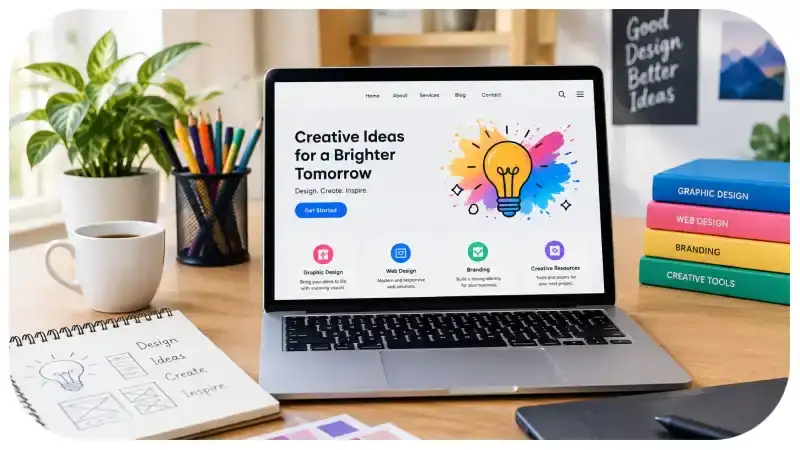
A website needs both creativity and usability. A beautiful website may attract attention, but visitors also need to find what they want quickly.
Start with a clear structure. Your homepage should explain the main purpose of the website. Navigation should also remain simple.
For a better website design, consider using:
- Clear headings
- Readable fonts
- Consistent colors
- High-quality images
- Mobile-friendly layouts
- Clear buttons
- Useful spacing
Furthermore, test your design on different screen sizes. A page that looks great on a desktop may need adjustments on a phone.
A responsive layout helps create a better experience for all visitors.
Social Media Design Ideas
Social media users scroll through content quickly. Therefore, your visuals need to communicate the main idea without creating confusion.
Start with one clear message. Then, choose an image or graphic that supports that message. Keep text short and make the most important words easy to notice.
You can create many types of social media graphics, including:
- Quote graphics
- Educational posts
- Infographics
- Promotional images
- Product visuals
- Simple tutorials
- Photo-based posts
Moreover, consistency can help build a recognizable visual identity. Use similar colors, fonts, and design elements across your posts.
How to Develop Your Own Design Style
Finding your personal design style takes time. You may enjoy simple designs today and prefer bold visuals later. That is completely normal.
Start by exploring different styles. Notice which colors, layouts, and fonts you enjoy using. Then, test those ideas in your own projects.
Most importantly, practice regularly. Create small designs even when you do not have a major project.
You can also redesign an old graphic. Compare the new version with the original. This simple exercise can help you see how your skills improve.
Over time, your choices will become more natural. Eventually, you will develop a style that feels like your own.
Common Design Mistakes to Avoid
Even a good idea can lose its impact when basic design mistakes appear.
One common problem is using too many elements. When everything demands attention, visitors may not know where to look.
Poor readability is another issue. Small text, weak contrast, and difficult fonts can make content hard to understand.
Inconsistent design can also make a project feel unfinished. For example, different button styles or random colors can create visual confusion.
Before publishing your design, ask these questions:
- Is the main message clear?
- Can visitors read the text easily?
- Does the layout feel balanced?
- Do the colors work well together?
- Is anything unnecessary?
- Does the design work on mobile devices?
By checking these points, you can catch many problems before publishing your work.
How to Improve Your Creative Skills
Design skills grow through practice. You can improve faster by working on small projects regularly.
For example, choose a simple design challenge each week. Create a social media graphic, improve a landing page, or experiment with a new layout.
Next, review your work. Look for areas that could be better. Maybe the spacing needs work. Perhaps the colors do not match. You may also need to improve the typography.
Learning from these small mistakes can make a big difference.
In addition, study designs created by experienced professionals. Look at their use of space, color, fonts, images, and visual hierarchy.
You do not need to copy their work. Instead, learn why their design choices work.
Designing With a Clear Purpose
Every design should have a purpose. Before you begin, decide what you want people to understand, feel, or do.
For example, a business website may need to build trust. A social media post may need to attract attention. An infographic may need to explain information quickly.
Once you know the goal, design decisions become easier.
Choose colors that support the message. Select fonts that improve readability. Use images that add value. Remove elements that do not serve a clear purpose.
As a result, your design will look more focused and professional.
Keep Learning and Experimenting
Design continues to change. New tools, styles, and creative trends appear all the time. However, basic design principles remain important.
Keep learning, but do not follow every trend. A popular style may not suit your project or audience.
Instead, focus on what works for your specific goal. Test new ideas when they make sense. Then, keep the elements that improve the final result.
Most importantly, give yourself permission to experiment. Creative growth often comes from trying something new.
Conclusion
Good design starts with a clear idea and improves through practice. Simple layouts, readable fonts, balanced colors, useful images, and clear goals can make a major difference.
PushYourDesign.com offers a useful starting point for people who want creative design ideas and inspiration. Whether you are working on a website, brand, social media graphic, or personal project, keep exploring new ideas and improving your skills.
Remember that great design does not always need to be complicated. Sometimes, the simplest solution creates the strongest result.
For more information, visit our site daily.


Leave a Reply