

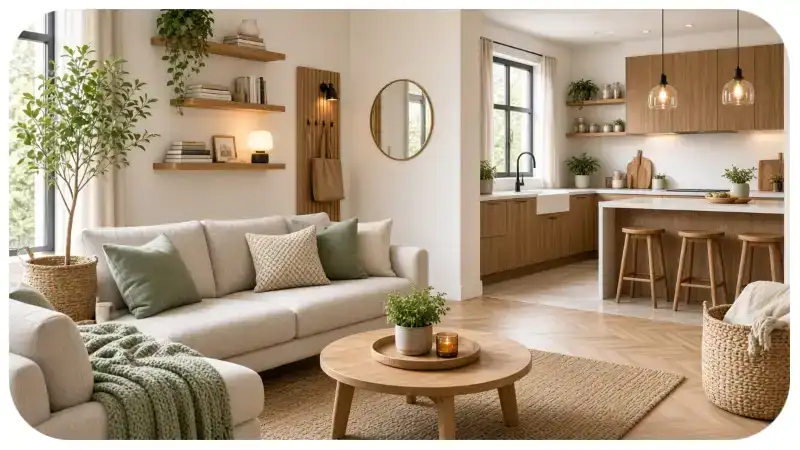
A comfortable home does not always require a major renovation or a large budget. Small changes in how you organize, clean, decorate, and use each room can make everyday life easier. Home tips and tricks decadgarden focuses on practical ideas that help families create spaces that are more organized, welcoming, and functional. Whether you are refreshing one room or improving your entire home, these tips can help you make smarter choices without making your space feel overdesigned.
The best home improvements are often simple. Better storage, thoughtful furniture placement, good lighting, regular maintenance, and a few decorative changes can make a noticeable difference. The key is to choose solutions that fit your space, lifestyle, and budget.
Start With Better Home Organization
A well-organized home feels calmer because everyday items have clear places. Before buying storage products, look at what you already have and decide what you actually use.
Group similar items together. In the kitchen, separate cooking tools, serving items, and food storage. In the bedroom, organize clothing by type or frequency of use. In the entryway, create a simple place for shoes, keys, bags, and other items you carry regularly.
Use Vertical Space
Walls and the areas behind doors are often overlooked. Floating shelves, wall hooks, pegboards, and tall cabinets can provide useful storage without taking up much floor space.
Vertical storage works especially well in:
- Small kitchens
- Narrow bathrooms
- Entryways
- Home offices
- Laundry rooms
- Compact bedrooms
Keep frequently used items within easy reach and place less-used belongings higher up.
Give Every Item a Home
One of the easiest ways to reduce clutter is to give commonly used items a specific place. When everything has a designated location, cleaning becomes easier and items are less likely to spread from room to room.
For example, place a tray near the entrance for keys and wallets. Use a basket for blankets in the living room and a small organizer for charging cables in the office.
Improve Lighting Before Changing Your Decor
Lighting can change the look and feel of a room without requiring new furniture. Instead of depending on one bright ceiling light, combine different types of lighting.
Use ambient lighting for general illumination, task lighting for activities such as reading or cooking, and accent lighting to highlight artwork, shelves, or architectural details.
Natural light also deserves attention. Keep windows clean and avoid placing large furniture directly in front of them when possible. Light-colored curtains can allow daylight into a room while still providing privacy.
For evenings, warm lighting can create a more relaxed atmosphere in bedrooms and living spaces. Where you need to see details clearly, brighter task lighting is more useful.
Make Small Rooms Feel More Spacious
You do not need to remove walls to make a small room feel larger. Furniture size, color, lighting, and visual clutter all influence how spacious a room feels.
Choose furniture that fits the room rather than trying to fill every available area. A large sofa may look great in a showroom but can feel overwhelming in a small living room.
Mirrors can reflect light and create a stronger sense of depth. Place one where it can reflect a window, an attractive wall, or another useful visual feature.
Keep walking paths open. A room with clear walking space usually feels more comfortable than one filled with furniture and decorations.
Choose a Simple Color Strategy
Too many competing colors can make a small space feel busy. A simple base color combined with a few complementary accents often creates a cleaner look.
You can introduce stronger colors through cushions, artwork, rugs, plants, or small decorative pieces. These items are also easier to replace when your taste changes.
Make Your Kitchen More Functional
The kitchen is one of the busiest areas in most homes, so convenience matters. Arrange everyday items according to how you prepare meals.
Keep frequently used cooking tools near the main preparation area. Store pots and pans where they are easy to reach, and place food-storage containers near the refrigerator or pantry.
A few affordable organizers can improve cabinet space. Drawer dividers, shelf risers, container organizers, and pull-out baskets can make crowded areas easier to manage.
Do not organize only for appearance. A beautiful kitchen is less useful if everyday items are difficult to reach.
Make Your Bedroom More Comfortable
The bedroom should support rest and relaxation. Start by reducing unnecessary visual clutter around the bed and keeping frequently used items within convenient reach.
Choose comfortable bedding based on your climate and personal preferences. Keep the nightstand simple rather than allowing it to become a storage area for unrelated items.
Soft lighting can make the room feel more relaxing in the evening. Blackout curtains may also be useful for people who prefer a darker sleeping environment.
Color matters too. Neutral or muted tones can create a calm backdrop, while small decorative accents can add personality without overwhelming the room.
Refresh Your Living Room Without Buying Everything New
A living room can look completely different with a few targeted changes. You can reposition the sofa, change the rug, add cushions, move artwork, or introduce a plant.
Start by considering the room’s main purpose. If the space is mainly for conversation, arrange seating so people can comfortably face one another. If the room is centered around television viewing, make sure the seating provides a practical viewing angle.
Do not push every piece of furniture against the walls simply because there is open space in the middle. Depending on the room, bringing furniture slightly inward can create a more intentional seating area.
Use Accessories With Purpose
Decorations should support the room rather than compete with it. Choose a limited number of pieces that add texture, color, or visual interest.
Useful choices include:
- Area rugs
- Cushions
- Artwork
- Indoor plants
- Table lamps
- Decorative baskets
- Mirrors
- Books and small displays
Rotate seasonal decorations instead of keeping every decorative item on display throughout the year.
Add Life to Your Home With Plants
Indoor plants can bring natural texture and color into living spaces. Choose plants based on the amount of light available in each room rather than selecting them only because they look attractive.
Before buying a plant, consider:
- How much sunlight the location receives
- How often you can water it
- Available floor or shelf space
- Temperature changes
- Whether pets or children can reach it
If maintaining live plants is difficult, a few good-quality artificial plants can provide a similar decorative effect without regular watering.
Keep Your Home Cleaner With Simple Routines
Deep cleaning becomes easier when daily tasks do not pile up. Instead of waiting until every room needs attention, divide household chores into smaller routines.
Spend a few minutes each day returning items to their proper places. Wipe kitchen surfaces after cooking and clean spills quickly. Regularly clean high-touch areas such as handles, switches, and frequently used surfaces.
A weekly routine can cover bathrooms, floors, dusting, bedding, and other larger tasks. Monthly checks can include less obvious areas such as vents, storage spaces, appliances, and window treatments.
The goal is not to keep the house perfect at all times. A consistent routine simply prevents small problems from becoming bigger jobs.
Make Home Maintenance Part of Your Routine
Home design gets most of the attention, but maintenance protects the work you have already done. Check areas such as faucets, drains, doors, windows, and visible plumbing regularly.
Look for signs of leaks, moisture, damaged seals, unusual sounds, or wear. Addressing small maintenance issues early can help prevent more complicated problems.
You should also follow the manufacturer’s instructions for appliances and equipment. Cleaning filters, inspecting connections, and performing recommended maintenance can support reliable operation.
For electrical, gas, structural, or other potentially dangerous problems, use a qualified professional instead of attempting an unsafe repair yourself.
Make Your Home More Energy Conscious
Simple habits can help reduce unnecessary energy use. Turn off lights when rooms are empty and avoid leaving appliances running when they are not needed.
Use daylight when practical and pay attention to drafts around doors and windows. Curtains and blinds can also help manage sunlight and indoor comfort depending on the season.
When replacing bulbs, choose efficient options that provide the brightness and color temperature appropriate for the room. For larger upgrades, consider professional advice about insulation, heating, cooling, and other systems.
Personalize Your Home Without Overdecorating
A home should reflect the people who live there. Personal touches can come from photographs, artwork, travel souvenirs, books, handmade pieces, or objects with personal meaning.
However, displaying everything at once can create visual clutter. Select a few meaningful pieces and give them enough space to stand out.
This is one of the most useful home tips and tricks decadgarden because good design is not simply about adding more things. Sometimes removing unnecessary objects makes the pieces you truly value more noticeable.
Smart Ideas for Different Budgets
Improving a home does not have to happen all at once. Divide projects into three categories: free changes, low-cost improvements, and larger investments.
Free Improvements
- Rearrange furniture
- Declutter surfaces
- Organize cabinets
- Improve room layouts
- Move decorations between rooms
- Use natural light more effectively
Low-Cost Improvements
- Add storage baskets
- Replace outdated hardware
- Introduce cushions or throws
- Add plants
- Install simple shelves
- Upgrade selected light bulbs
Larger Improvements
- Replace worn flooring
- Upgrade major lighting fixtures
- Improve kitchen storage
- Refresh bathroom finishes
- Improve insulation
- Replace inefficient appliances
Working in stages lets you see what your home actually needs before spending more money.
Avoid Common Home Improvement Mistakes
One common mistake is buying furniture before measuring the room. Always measure doorways, walls, and available floor space before purchasing large pieces.
Another mistake is following every design trend. Trends can provide inspiration, but your home should still work for your lifestyle. A practical layout that you enjoy for years is usually more valuable than a temporary style.
Do not fill empty spaces simply because they look unfinished. Some open areas are useful and can make a room feel more comfortable.
Finally, do not ignore maintenance while focusing on decoration. A beautiful home still needs reliable plumbing, safe electrical systems, functional appliances, and regular care.
Build a Home That Works for You
The most effective home tips and tricks decadgarden are not about making a home look expensive. They are about making everyday spaces easier to use, easier to maintain, and more enjoyable to live in.
Start with the areas that cause the most frustration. If your entryway is always cluttered, improve its storage. If your kitchen feels crowded, reorganize the cabinets. If your bedroom feels uncomfortable, examine the lighting, furniture placement, and unnecessary clutter.
Small improvements can build on each other. Over time, thoughtful organization, practical maintenance, suitable lighting, and personal decoration can transform the way your home feels without requiring a complete renovation.
Conclusion
A better home begins with practical decisions rather than expensive changes. Organize what you own, improve lighting, use space carefully, maintain important systems, and decorate according to your lifestyle. The best home tips and tricks decadgarden approach is to make changes that solve real problems while keeping your home comfortable, functional, and personal.







Leave a Reply