

Introduction
A beautiful home does not always require expensive furniture, luxury decorations, or a complete renovation. Sometimes, a few thoughtful changes can make an ordinary room feel more comfortable, attractive, and welcoming. The right colors, lighting, furniture arrangement, and decorative accessories can completely change the atmosphere of your living space.
Exploring practical home decor ideas is a great way to discover creative ways to improve your surroundings without spending too much money. Whether you live in a small apartment, a family house, or a modern home, you can create a space that reflects your personality and lifestyle.
In this guide, you will discover simple decorating techniques, affordable upgrades, room-by-room inspiration, and useful tips to make your home look stylish and organized.
1. Choose a Color Scheme That Matches Your Style
Color is one of the most important elements of interior decoration. It influences how a room looks and how people feel when they spend time in it.
Before purchasing furniture or decorative accessories, decide which colors you want to use throughout your home.
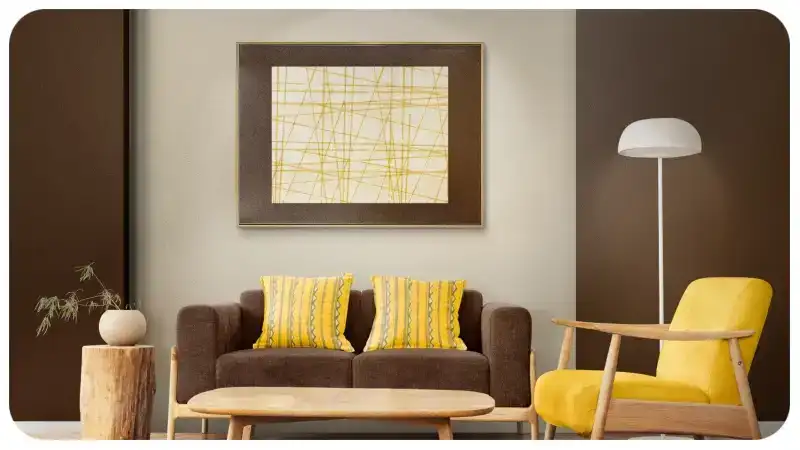
Neutral shades such as white, beige, cream, and light gray create a clean and relaxing atmosphere. If you prefer a more colorful environment, consider adding green, navy blue, terracotta, or soft yellow through cushions, artwork, and accessories.
You do not need to use the same colors in every room. However, choosing a consistent color palette can make your home feel connected and visually balanced.
Helpful tip: Start with two or three main colors and introduce smaller accent shades through decorative items.
2. Make Your Living Room More Inviting
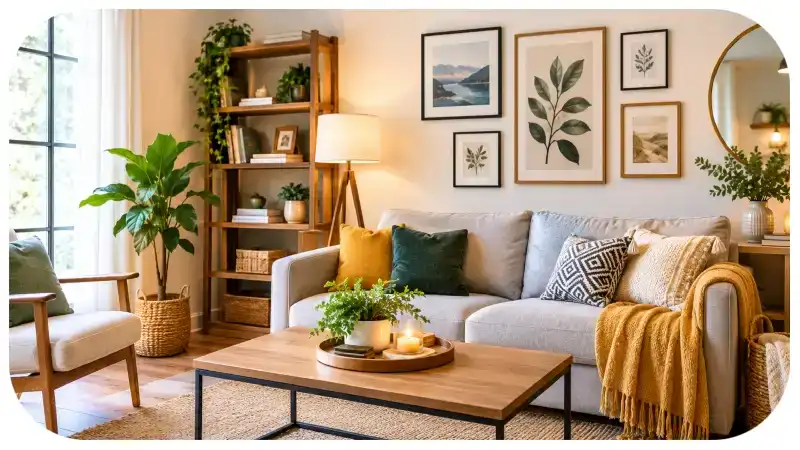
The living room is often the main gathering place for family members and guests. It should feel comfortable while also showing your personal decorating style.
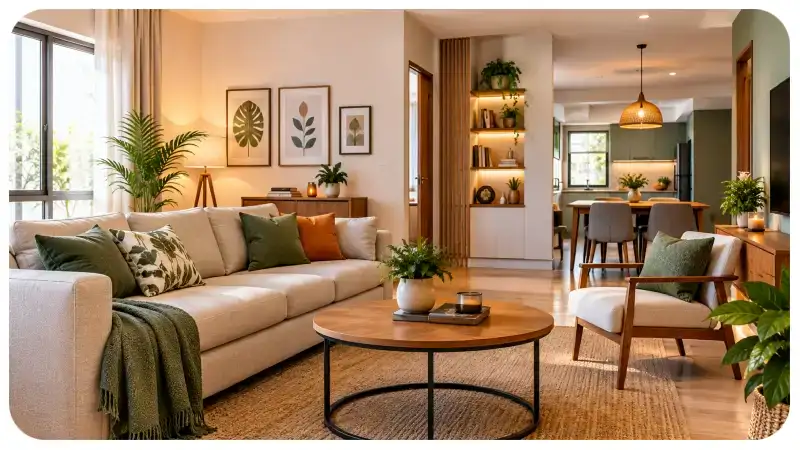
Start by arranging your sofa and chairs in a way that encourages conversation. Avoid placing every piece of furniture against the walls if your room has enough space for a more balanced arrangement.
A soft area rug can help define the seating area and add warmth to the floor. Decorative cushions, cozy blankets, and a stylish coffee table can also improve the overall appearance.
Consider adding a few personal touches, such as framed photographs, books, plants, or handmade decorations.
One important principle is to avoid overcrowding. A comfortable living room should have enough open space for people to move around easily.
3. Use Natural Light to Improve Your Home
Natural light can make even a small room appear brighter and more spacious. It also helps create a fresh and pleasant indoor environment.
Keep windows clean and avoid covering them with heavy curtains when natural light is available. Lightweight curtains made from linen or cotton can provide privacy without blocking too much sunlight.
You can also position mirrors opposite or near windows to reflect available daylight around the room.
If your home does not receive much sunlight, use warm LED bulbs and combine different lighting sources to create a comfortable atmosphere.
Good lighting is among the simplest home improvements because it can change the appearance of a room without requiring expensive furniture.
4. Add Indoor Plants for a Fresh Appearance
Indoor plants are a simple way to bring natural beauty into your home. They introduce color, texture, and a relaxing visual element to different spaces.
Popular indoor plant choices include:
- Snake plants for bedrooms and living rooms.
- Pothos for shelves and hanging baskets.
- Spider plants for bright indoor areas.
- ZZ plants for spaces with limited natural light.
- Peace lilies for suitable indoor environments.
Choose plants according to the amount of sunlight and care you can provide. Not every plant grows well in every environment.
If you have pets, check whether a plant is toxic before bringing it indoors.
You can place small plants on shelves, tables, windowsills, or empty corners to make your rooms feel more lively.
5. Decorate Your Walls with Creative Artwork
Empty walls can make a room feel unfinished. Adding artwork, photographs, or decorative wall pieces can give your home a more personal appearance.
A gallery wall is an excellent option for displaying different photographs, illustrations, and framed prints together. For a balanced look, select frames with similar colors or arrange them in a consistent pattern.
You can also choose one large artwork as the main attraction in your living room or bedroom.
Wall decoration does not always need to be expensive. Personal photographs, affordable prints, handmade crafts, and simple DIY projects can create beautiful results.
Before hanging anything, consider the size of the wall and the furniture underneath it.
6. Create a Comfortable and Stylish Bedroom
Your bedroom should be a peaceful place where you can relax after a busy day. Its decoration should focus on comfort, simplicity, and organization.
Begin with comfortable bedding in colors that complement the room. Soft neutral shades can create a relaxing atmosphere, while patterned cushions or blankets can introduce personality.
Bedside tables provide useful storage and space for lamps, books, and small accessories.
Avoid filling every corner with unnecessary decorations. A clean and organized bedroom often looks more attractive than one containing too many decorative items.
You can also add soft lighting, a small rug, and simple wall artwork to complete the overall design.
7. Make Small Spaces Look Bigger
Decorating a small home or apartment requires careful planning. The goal is to make the available space feel open, functional, and comfortable.
Choose furniture that fits the room instead of purchasing oversized pieces. Furniture with exposed legs can also create a lighter visual appearance.
Mirrors are useful because they reflect light and create a sense of additional space. Light-colored walls, simple curtains, and organized storage can further improve the room’s appearance.
Consider multifunctional furniture, such as storage ottomans, foldable tables, and beds with built-in drawers.
Another useful approach is to keep floors and surfaces relatively clear. Removing unnecessary objects makes small rooms feel less crowded.
8. Upgrade Your Kitchen with Simple Decorations
A kitchen can look attractive without losing its practical purpose. Focus on keeping countertops organized while introducing a few decorative details.
Glass jars, wooden trays, matching containers, and simple countertop organizers can make everyday items look more organized.
You can also introduce small plants, decorative kitchen towels, or attractive storage baskets.
If you want a more noticeable change, consider updating cabinet handles or installing a simple backsplash. These smaller improvements can refresh the kitchen without requiring a complete renovation.
Remember that cleanliness and functionality should remain the priorities in this space.
9. Use Rugs and Textures to Add Warmth
Texture is an important part of creating a comfortable home. Combining different materials can make a room feel more interesting without introducing too many colors.
Consider using:
- Cotton cushions for a soft and casual appearance.
- Wool blankets for extra warmth.
- Natural wood for a timeless look.
- Linen curtains for a light and relaxed atmosphere.
- Area rugs to define different sections of a room.
A rug can also help connect furniture pieces and make a seating area feel complete.
When combining textures, try to maintain a balance. Too many different materials can make a room appear visually busy.
10. Try Affordable DIY Home Decoration
You do not need a large budget to improve your home’s appearance. DIY decorating projects allow you to reuse existing items and create something personal.
Here are a few simple projects to consider:
Refresh old furniture: Painting an old table or replacing cabinet handles can give furniture a different appearance.
Create decorative shelves: Floating shelves can display books, plants, photographs, and small accessories.
Reuse glass containers: Clean glass jars can become attractive storage containers or decorative vases.
Make your own wall art: Simple paintings, fabric designs, and framed personal photographs can add character to empty walls.
Rearrange existing furniture: Sometimes changing the position of furniture creates a completely different feeling without requiring any purchases.
Choose projects that match your skills and available time.
11. Keep Your Home Organized and Clutter-Free
Even the most attractive decorations can lose their appeal when a room is filled with unnecessary items.
Good organization helps maintain a clean and comfortable environment. Start by identifying things you no longer use and finding suitable storage solutions for everyday belongings.
Decorative baskets, storage boxes, drawer organizers, and wall-mounted shelves can help keep items in their proper places.
Try to maintain clear countertops and avoid collecting too many decorative accessories.
A simple cleaning routine can also help preserve the appearance of your home.
12. Follow Your Personal Decorating Style
Interior design trends change frequently, but your home should reflect your own preferences rather than following every popular style.
Some people enjoy modern minimalist interiors with simple furniture and neutral colors. Others prefer traditional decorations, vintage furniture, colorful artwork, or natural materials.
You can also combine different styles when the colors, materials, and proportions work together.
Look for inspiration in magazines, design websites, and home improvement platforms. Save photographs of rooms you like and identify the elements they have in common.
This process can help you develop a decorating style that feels natural and practical.
Common Home Decorating Mistakes to Avoid
When planning your interior decoration, avoid a few common mistakes that can affect the final result.
Buying furniture without measuring: Always check room dimensions before purchasing large items.
Using too many colors: An unplanned color combination can make a room feel visually confusing.
Ignoring lighting: A beautiful room may still feel uncomfortable if the lighting is too dark or harsh.
Overdecorating: Too many accessories can make your home look crowded.
Following trends without considering comfort: Choose furniture and decorations that suit your daily needs.
Avoiding these mistakes can help you create a more balanced and functional living environment.
Conclusion
Creating a beautiful home does not require a huge budget or professional interior design services. Small improvements, thoughtful furniture arrangements, suitable lighting, attractive colors, and creative decorations can make a meaningful difference.
These home decor ideas provide practical inspiration for improving different rooms while keeping comfort and functionality in mind. From adding indoor plants and decorating empty walls to organizing small spaces and trying affordable DIY projects, there are many ways to make your surroundings more welcoming.
The most important thing is to choose decorations that match your personality, lifestyle, and available space. Start with a few simple changes, experiment with different arrangements, and gradually create a home that feels comfortable, organized, and uniquely yours.




Leave a Reply