

Introduction
Your home is more than just a place to live. It is a personal space where you relax, spend time with family, welcome guests, and create unforgettable memories. A well-designed home can improve your comfort, reflect your personality, and make everyday life more enjoyable. If you want to refresh your living space, PushYourDesign at My Home is a useful concept for exploring creative ideas, modern styles, and practical home improvement solutions.
Home design does not always require a large budget or professional assistance. Sometimes, small changes such as rearranging furniture, choosing better lighting, adding decorative accessories, or introducing natural elements can make a significant difference. With the right planning and inspiration, you can create a beautiful home that combines style, comfort, and functionality.
In this article, we will explore home design ideas, interior decoration tips, space-saving solutions, color combinations, and budget-friendly ways to transform your home into a welcoming and stylish environment.
What Does PushYourDesign at My Home Mean?
PushYourDesign at My Home represents the idea of bringing your creativity into your personal living space. It encourages homeowners to think beyond traditional decoration and discover designs that match their lifestyle, preferences, and available space.
Every home has its own character. Some people prefer minimalist interiors with clean lines and neutral colors, while others enjoy colorful decorations, modern furniture, and bold artistic details. The best design is the one that makes you feel comfortable and reflects your individual taste.
This approach focuses on combining creativity with practicality. Instead of following every interior design trend, you can choose elements that work well for your family, daily routine, and budget.
Whether you live in a small apartment, a family house, or a spacious modern home, thoughtful design choices can help you make the most of your surroundings.
1. Create a Beautiful and Welcoming Living Room
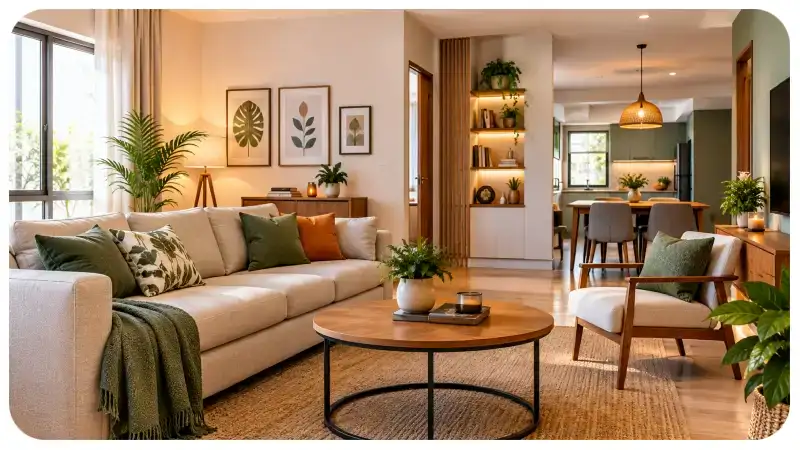
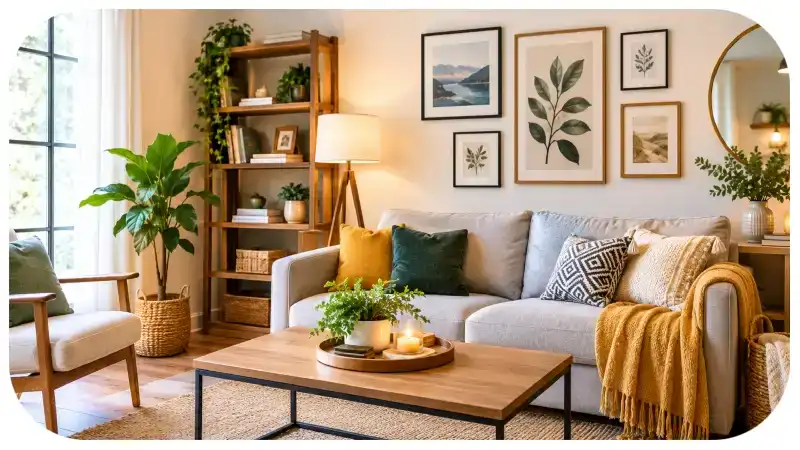
The living room is often the center of family activities and social gatherings. It is one of the first areas guests notice when they enter your home, making it an excellent place to begin your design project.
Start by arranging your furniture to create a comfortable and balanced layout. Make sure there is enough space to walk around sofas, chairs, and tables. Avoid placing too many decorative items in one area because overcrowding can make the room feel smaller.
Choose a color scheme that complements your furniture and walls. Neutral shades such as beige, white, gray, and cream create a calm atmosphere. You can introduce brighter colors through cushions, rugs, curtains, artwork, and decorative accessories.
Lighting is equally important. Combine natural daylight with ceiling lights, floor lamps, or table lamps to create a warm and inviting environment.
A few carefully selected decorations can make your living room look more polished without requiring expensive renovations.
2. Transform Your Bedroom Into a Relaxing Retreat
Your bedroom should be a peaceful place where you can rest and recharge. Good bedroom design focuses on comfort, organization, lighting, and a relaxing atmosphere.
Begin with your bed, which is usually the main focal point. Select comfortable bedding in colors that help create a peaceful environment. Soft blues, warm neutrals, pale greens, and gentle earth tones can work beautifully in many bedroom styles.
Keep bedside tables organized and avoid filling every available surface with unnecessary objects. A simple lamp, a small plant, or a favorite photograph may be enough to personalize the space.
Storage is another important consideration. Under-bed storage boxes, wardrobe organizers, and wall-mounted shelves can help reduce clutter and keep everyday essentials within reach.
If your bedroom receives natural sunlight, use curtains or blinds that allow you to control brightness and privacy.
Through the PushYourDesign at My Home approach, you can create a bedroom that looks attractive while supporting your everyday comfort.
3. Choose the Right Colors for Your Home
Color has a major influence on the appearance and atmosphere of an interior. The right combination can make a room feel brighter, larger, warmer, or more relaxing.
For a modern appearance, consider using a neutral base with a few accent colors. White walls combined with wooden furniture and green accessories can create a fresh and natural look.
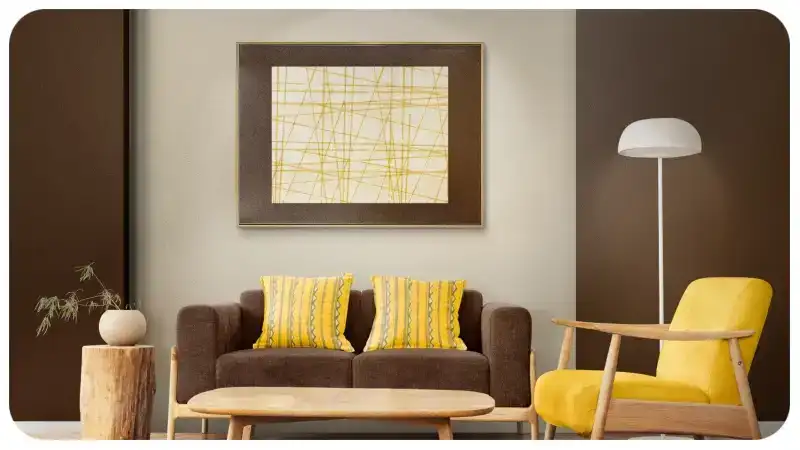
If you enjoy bold interiors, try adding a feature wall in a deeper shade such as navy blue, forest green, or terracotta. This can create visual interest without overwhelming the entire room.
For smaller spaces, lighter colors often help reflect available light and make rooms feel more open. However, darker shades can also work well when balanced with appropriate lighting and contrasting furnishings.
Before painting an entire room, test a small section of the wall. Observe the color during the morning, afternoon, and evening because lighting can change how it appears.
A consistent color palette throughout your home can also create a sense of connection between different rooms.
4. Make Small Spaces Feel Bigger
Small homes and apartments can be stylish and functional when every area is used thoughtfully. The key is to reduce clutter, select suitable furniture, and maintain clear pathways.
Multifunctional furniture is particularly useful. A storage bed, foldable dining table, nesting tables, or a sofa bed can provide flexibility without taking up unnecessary space.
Wall-mounted shelves help keep books, decorations, and personal items organized while freeing up floor space. Mirrors can reflect light and create the impression of a more open room when positioned carefully.
Choose furniture that fits the scale of your room. Oversized sofas and bulky cabinets may make a compact space feel crowded, while appropriately sized pieces help maintain balance.
Use baskets, drawer organizers, and labeled storage containers to keep belongings tidy.
A small home does not need to feel limited. With creative planning, even a compact room can become attractive, comfortable, and practical.
5. Upgrade Your Kitchen With Smart Design Ideas
The kitchen is one of the most frequently used areas in any home. A well-organized kitchen can make cooking easier, improve cleanliness, and create a more enjoyable daily routine.
Start by organizing items according to how often you use them. Keep frequently used utensils, cookware, and ingredients within easy reach. Store occasional-use items in higher cabinets or less accessible areas.
Good lighting is essential, especially around cooking and food preparation surfaces. Under-cabinet lighting can improve visibility while adding a modern appearance.
You can refresh your kitchen without replacing every cabinet. New handles, organized shelves, updated accessories, or a fresh coat of suitable paint can make an older kitchen look more attractive.
If space permits, create a small breakfast corner with a compact table and comfortable chairs.
Choose durable materials that are easy to clean, particularly for countertops and frequently touched surfaces. Practical choices will help your kitchen remain functional as well as beautiful.
6. Bring Nature Indoors
Natural elements can make a home feel fresh, peaceful, and welcoming. Indoor plants are a popular way to introduce color and texture without making major changes.
Consider placing suitable plants near windows, on shelves, or in empty corners. Choose varieties according to the light conditions and care requirements of your home.
If maintaining live plants is difficult, dried flowers or realistic artificial plants can provide decorative alternatives.
Wooden furniture, woven baskets, natural fabrics, and stone-inspired accessories can also introduce warmth and texture.
Allowing natural daylight into your rooms can make interiors feel more pleasant. Use light window coverings where privacy requirements permit, and keep windows clean to maximize available sunlight.
When using plants in homes with children or pets, check that the selected varieties are safe for them.
By combining natural materials with simple decoration, you can create a balanced interior that feels connected to the outdoors.
7. Improve Home Lighting and Ambience
Lighting can completely change the appearance of a room. Even attractive furniture may look less appealing if the lighting is too harsh, too dim, or poorly positioned.
A useful strategy is to combine three types of lighting: ambient lighting for general illumination, task lighting for specific activities, and accent lighting to highlight decorative features.
For example, a ceiling light can illuminate the living room, a reading lamp can provide focused light beside a chair, and a small spotlight can draw attention to artwork.
Warm-white lighting often creates a cozy atmosphere in bedrooms and living rooms. Neutral or cooler lighting may be useful in kitchens, workspaces, and areas where clear visibility is important.
Whenever possible, make use of natural daylight during the day. At night, choose lighting that suits the purpose of each room.
Thoughtful lighting choices can improve both the functionality and visual appeal of your home.
8. Decorate Your Home on a Budget
Beautiful home design does not have to be expensive. With careful planning, you can update your surroundings while keeping costs under control.
Begin by setting a realistic budget and identifying the areas that need the most attention. Prioritize practical improvements before purchasing decorative accessories.
Rearranging existing furniture is one of the easiest ways to create a different look without spending money. You can also reuse suitable items, repaint old furniture, change cushion covers, or create simple wall decorations.
Shopping for secondhand furniture and comparing prices can help you find affordable options. Before buying anything new, measure your space and check whether the item will fit your layout.
Avoid purchasing decorations simply because they are fashionable. Instead, choose items that match your existing color scheme and serve a useful purpose.
Making improvements gradually allows you to spread costs over time while developing a consistent design style.
9. Personalize Your Space With Creative Details
A well-designed home should reflect the people who live in it. Personal touches help transform a generic interior into a meaningful and comfortable environment.
Family photographs, handmade crafts, favorite books, travel souvenirs, and original artwork can give your home character. Display these items thoughtfully so they enhance the room rather than create visual clutter.
You can also establish a theme for each space. A reading corner might include a comfortable chair, a small bookshelf, and a reading lamp. A home workspace could feature an organized desk, suitable lighting, and a few inspiring decorations.
Choose accessories that reflect your interests and lifestyle. Your home does not need to look exactly like a showroom or a picture in a magazine.
The goal of PushYourDesign at My Home is to encourage creative choices that make your living environment more personal, useful, and enjoyable.
10. Keep Your Home Organized and Functional
Interior design is not only about appearance. A beautiful home should also be easy to maintain and comfortable to use.
Create designated places for everyday belongings such as keys, shoes, bags, and household supplies. This reduces clutter and makes it easier to find what you need.
Use storage solutions that suit your family’s habits. For example, a shoe rack near the entrance can keep footwear organized, while labeled containers can simplify pantry storage.
Develop a simple cleaning routine to prevent dirt and clutter from accumulating. Regularly review your belongings and donate or recycle items that you no longer need, where appropriate.
When planning new furniture or decorations, consider maintenance requirements, durability, and everyday use.
A functional home saves time, reduces stress, and helps your design choices remain attractive over the long term.
Conclusion
PushYourDesign at My Home is an inspiring concept for anyone who wants to create a more attractive, comfortable, and functional living environment. From refreshing your living room and improving bedroom comfort to organizing a small kitchen and introducing natural elements, many improvements can be achieved without a major renovation.
The most effective home design begins with understanding your needs, choosing a suitable style, and making thoughtful decisions about color, lighting, furniture, and storage.
Remember that you do not need to change everything at once. Start with one room, establish a realistic budget, and gradually introduce improvements that make your home more enjoyable.
Your home should represent your personality, support your lifestyle, and provide a welcoming place for you and your family. With creativity, planning, and practical design ideas, you can turn an ordinary living space into a place you are proud to call home.
Start exploring new possibilities today and let your creativity guide your next home improvement project.




Leave a Reply