

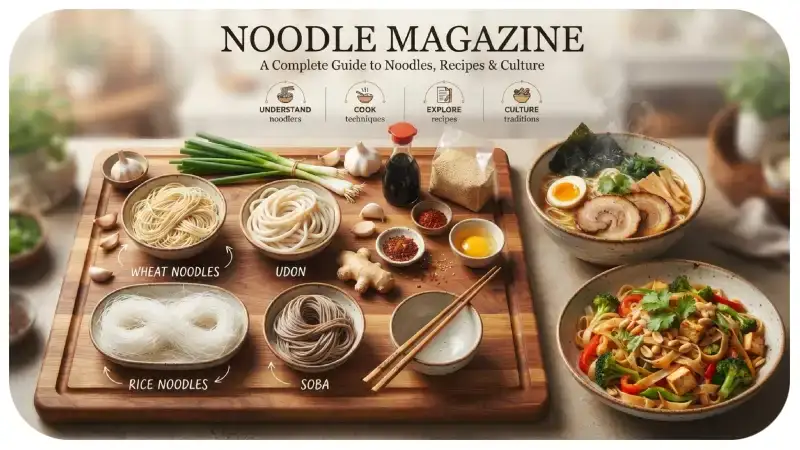
Noodles have a way of making almost any meal better. You can turn them into a quick dinner after a long day, a comforting bowl of soup, or a flavorful stir-fry packed with vegetables. That variety is what makes Noodle Magazine an interesting place to explore recipes, cooking ideas, noodle varieties, and the food traditions behind them. For anyone who enjoys discovering new dishes, Noodle Magazine can also be a starting point for learning how different noodles are made, cooked, and served around the world.
There is much more to noodles than choosing a packet from a grocery store shelf. The type of flour or starch, noodle shape, thickness, cooking method, and sauce can all change the final dish. This guide covers those basics and shows how you can use them to make better noodle meals at home.
What Exactly Are Noodles?
At their simplest, noodles are strands or pieces of dough made from ingredients such as wheat, rice, buckwheat, or starch. Different cultures developed their own methods for making and preparing them, which is why noodle dishes can look and taste completely different from one another.
Some noodles are made fresh and cooked right away. Others are dried for storage. Some are thin and delicate, while others are thick and chewy.
That variety makes noodles incredibly useful in the kitchen. You can pair them with:
- Fresh or cooked vegetables
- Chicken, beef, pork, or seafood
- Eggs and tofu
- Garlic, ginger, and chili
- Soy-based sauces
- Broths and stocks
- Sesame, peanuts, and fresh herbs
The same basic noodle can even taste completely different depending on how you prepare it.
Noodle Magazine: Understanding Different Types of Noodles
If you want to make better noodle dishes, start by learning the main noodle categories. You do not need to memorize dozens of varieties. Knowing a few common types is enough to make smarter choices when shopping or following recipes.
Wheat Noodles
Wheat noodles are common in many Asian cuisines and come in countless shapes and sizes. Some are thin and delicate, while others are thick and chewy.
Ramen and udon are two familiar examples. Ramen noodles are often served in a flavorful broth with toppings such as meat, vegetables, seaweed, or eggs. Udon is much thicker and has a soft, satisfying bite.
Chinese cuisine also includes many wheat noodles, including varieties that are hand-pulled, cut, shaved, or shaped in other ways.
Rice Noodles
Rice noodles are made mainly from rice and water. They can be extremely thin, like rice vermicelli, or much wider and flatter.
Thin rice noodles work well in soups, salads, spring rolls, and stir-fries. Wider varieties are useful when you want the noodles to carry a little more sauce.
One thing to remember is that rice noodles can cook quickly. Leaving them in hot water for too long may make them soft and difficult to handle.
Buckwheat Noodles
Buckwheat noodles have a different personality from wheat and rice noodles. They have a slightly earthy flavor and are commonly associated with Japanese soba.
Soba can be enjoyed hot in broth or cold with a dipping sauce. Simple toppings such as scallions, sesame, seaweed, or mushrooms can add plenty of flavor without hiding the taste of the noodles.
Starch-Based Noodles
Starch-based noodles are another interesting group. Depending on the variety, they may be made from mung beans, sweet potatoes, or other starches.
Glass noodles are a popular example. They become translucent after cooking and have a chewy texture. Because they absorb sauces easily, they work especially well in stir-fries, soups, and cold salads.
How to Pick the Right Noodles
Choosing noodles becomes much easier when you first think about the dish you want to make.
Making soup? A noodle that stays firm in hot broth may be a good choice. Planning a stir-fry? Look for something that can handle heat and sauce without falling apart.
Thin noodles can work nicely with lighter sauces, while wider noodles can hold thicker or richer sauces. Fresh noodles may also need much less cooking time than dried ones.
When you want to replace one noodle with another, ask yourself three simple questions:
- Does it have a similar texture?
- Is the thickness reasonably close?
- Will its flavor work with the other ingredients?
You do not always need an exact substitute. A small change can sometimes create a dish that is just as enjoyable, even if the texture is slightly different.
Simple Techniques for Cooking Better Noodles
A good noodle recipe can still disappoint if the noodles are poorly cooked. Fortunately, the basic techniques are easy to learn.
Boiling Noodles
Boiling is one of the most common ways to prepare noodles. Follow the package instructions, but do not depend entirely on the cooking time.
Taste a noodle near the end of the suggested cooking period. You want it to reach the texture required by your recipe. If the noodles will continue cooking in a hot sauce or broth, they may need to be removed from the heat a little earlier.
Stir-Frying Noodles
Stir-frying is perfect when you want a fast and flexible meal.
Prepare everything before turning on the stove. Slice your vegetables, cut your protein, prepare the sauce, and have the noodles ready.
Start with ingredients that take longer to cook. Add quicker-cooking vegetables and other ingredients later. Once everything is nearly ready, add the noodles and sauce and toss them together.
This simple order helps keep the vegetables from becoming mushy while allowing the noodles to absorb the sauce.
Making Noodle Soup
For noodle soup, timing is especially important. Some noodles soften quickly when they sit in hot broth.
One practical approach is to cook the noodles separately and add them to the bowl when you are ready to serve. This gives you more control over their texture.
Of course, the best method depends on the noodle variety and the recipe.
Preparing Cold Noodles
Cold noodle dishes are refreshing and can be prepared ahead of time. After cooking, many noodles can be rinsed with cool water to stop the cooking process and remove some surface starch.
Once chilled, toss them with your chosen dressing and add vegetables, herbs, seeds, or other toppings.
Easy Noodle Recipes to Try at Home
You do not need complicated ingredients to make a satisfying noodle meal. A few pantry staples can take you a long way.
Garlic Noodles
Garlic noodles are a great option when you want something quick.
Cook your noodles, then toss them with sautéed garlic, a savory sauce, and a little oil or butter. Green onions and sesame seeds add a nice finishing touch.
Want some heat? Add chili flakes or chili sauce.
Vegetable Stir-Fried Noodles
This is one of the easiest ways to use whatever vegetables you already have.
Carrots, cabbage, bell peppers, broccoli, mushrooms, and snap peas can all work well. Cook the vegetables in stages, then add the noodles and sauce.
For the sauce, try a simple combination of soy sauce, garlic, ginger, and a small amount of sweetness.
Noodles With Broth
A bowl of noodles and broth can be simple without being boring.
Start with a flavorful broth and add noodles, vegetables, protein, and toppings. Green onions, mushrooms, herbs, eggs, and seaweed can all change the character of the bowl.
The key is texture. Combining soft noodles with something crisp or fresh can make a simple soup much more enjoyable.
Cold Sesame Noodles
Cold sesame noodles are another easy option, especially when you want something light.
Cook and cool the noodles, then coat them with a sesame-based dressing. Add sliced cucumber, scallions, herbs, or chili if you like.
Because the dish can be prepared in advance, it is also useful for packed lunches.
Noodle Magazine: Noodles Are Part of Food Culture
Noodles are not just convenient food. They are closely connected with local traditions and everyday life in many parts of the world.
Different regions developed noodle-making methods based on the ingredients available to them and the cooking styles passed down through generations.
Japan, for example, is known for several distinct noodle traditions, including ramen, udon, and soba. Chinese cuisine has an enormous range of noodles prepared using different techniques. Across Southeast Asia, rice noodles, wheat noodles, and starch-based noodles appear in soups, salads, stir-fries, and many other dishes.
Italy offers another important example through its many pasta traditions. Pasta and Asian noodles developed within different culinary histories, but both show how simple grain-based ingredients can become an incredible range of shapes and dishes.
Food traditions also change over time. Modern cooks often experiment with ingredients and techniques from different cuisines. The result can be a creative new dish inspired by more than one culinary tradition.
When making these kinds of dishes, it helps to be clear about what is traditional and what is your own adaptation.
Pantry Staples for Easy Noodle Meals
You can make a surprising number of noodle dishes without filling your kitchen with specialty ingredients.
A useful basic pantry might include:
- Dried noodles
- Garlic
- Ginger
- Soy sauce
- Sesame oil
- Chili flakes or chili sauce
- Green onions
- Eggs
- Fresh or frozen vegetables
- Neutral cooking oil
- Sesame seeds
- Peanuts
These ingredients give you plenty of room to experiment.
For example, noodles with garlic and soy sauce can become a simple side dish. Add vegetables and an egg, and you have something closer to a complete meal.
The trick is to think about balance. A dish that is very salty may need acidity or sweetness. A rich sauce may benefit from fresh vegetables or herbs. A soft noodle dish can become more interesting with something crunchy on top.
Common Mistakes When Cooking Noodles
Noodles are easy to cook, but a few common mistakes can affect the final result.
Overcooking
This is probably the most common problem. Soft, broken noodles can ruin an otherwise good dish.
Start checking them before the maximum cooking time listed on the package.
Using Too Much Sauce
More sauce does not automatically mean more flavor. Too much can make noodles heavy or overly salty.
Start with a smaller amount and add more after tasting.
Overcrowding the Pan
When too many ingredients go into a pan at once, they may release moisture and steam instead of properly stir-frying.
If your pan is small, cook in batches.
Cooking Everything at the Same Time
Vegetables, meat, aromatics, and noodles do not all cook at the same speed.
Give each ingredient the time it needs. This small change can make a big difference in texture.
Letting Noodles Sit Too Long
Noodles continue to absorb liquid after cooking. This is especially noticeable in soups and saucy dishes.
If you are not serving them immediately, think about how the texture will change while they sit.
How to Explore Noodle Recipes With More Confidence
Once you understand the basics, do not be afraid to experiment.
Try replacing one vegetable with another. Change the protein. Use a different noodle. Adjust the sauce to suit your taste.
At the same time, learning about the original dish can make the experience more interesting. If a recipe comes from a specific culinary tradition, take a few minutes to understand its usual ingredients and preparation method.
There is nothing wrong with adapting a recipe for your own kitchen. Just be clear when you are making a personal variation rather than presenting it as a traditional version.
This balance lets you enjoy creativity while still respecting the food’s background.
Frequently Asked Questions
What type of noodles should beginners try?
Beginners can start with familiar options such as wheat noodles, ramen, rice noodles, or udon. Choose a variety that matches the recipe and follow its cooking instructions.
Can different noodles be used in the same recipe?
Sometimes. Choose noodles with a similar thickness and cooking behavior. You may need to change the cooking time or adjust the amount of sauce.
Why do my noodles become sticky?
Overcooking is one possible reason. Excess surface starch can also contribute to stickiness. The right solution depends on the noodle type and recipe.
Should I rinse noodles after cooking?
It depends on how you plan to use them. Cold noodle recipes often call for rinsing, while some hot preparations do not. Always consider the final texture you want.
How can I make noodles more flavorful?
Season the cooking water when appropriate, build a flavorful sauce or broth, and use aromatics such as garlic, ginger, scallions, and chili. Toppings can add another layer of flavor and texture.
Are noodles suitable for quick meals?
Absolutely. Many noodle dishes can be prepared quickly, especially stir-fries and simple soups. Keeping noodles, vegetables, eggs, and a few sauces on hand makes last-minute meals much easier.
Final Thoughts
Noodles give home cooks plenty of room to explore. From a simple garlic noodle dish to a carefully prepared bowl of soup, the possibilities are almost endless. Learning how different noodles behave, choosing the right cooking method, and understanding basic flavor balance will help you get better results without making cooking complicated.
Noodle Magazine can be a useful way to explore that world, from everyday recipes to the cultural traditions behind different noodle dishes. Start with the noodles you already know, try a few new varieties, and gradually build your own collection of favorite recipes.






Leave a Reply